Key points
- A wave of mid-budget features is outperforming its own projections — and forcing studios to reconsider a decade of risk-averse commissioning.
- Movies & TV reporting from Los Angeles.
- All people and organisations in this illustrative story are fictional.
- Estimated reading time: 3 minutes.
The range that stopped disappearing
For years, the forty-million-dollar movie became a problem without an owner. It was too expensive to dismiss as a side bet and too small to receive the global marketing machine built for a franchise. That calculation is shifting. Fictional studio Crestline has put three such projects into production this year, all with known but not omnipresent casts and scripts built around a clean premise. None is designed to reset a balance sheet. That is precisely the point.
A floor is more useful than a ceiling
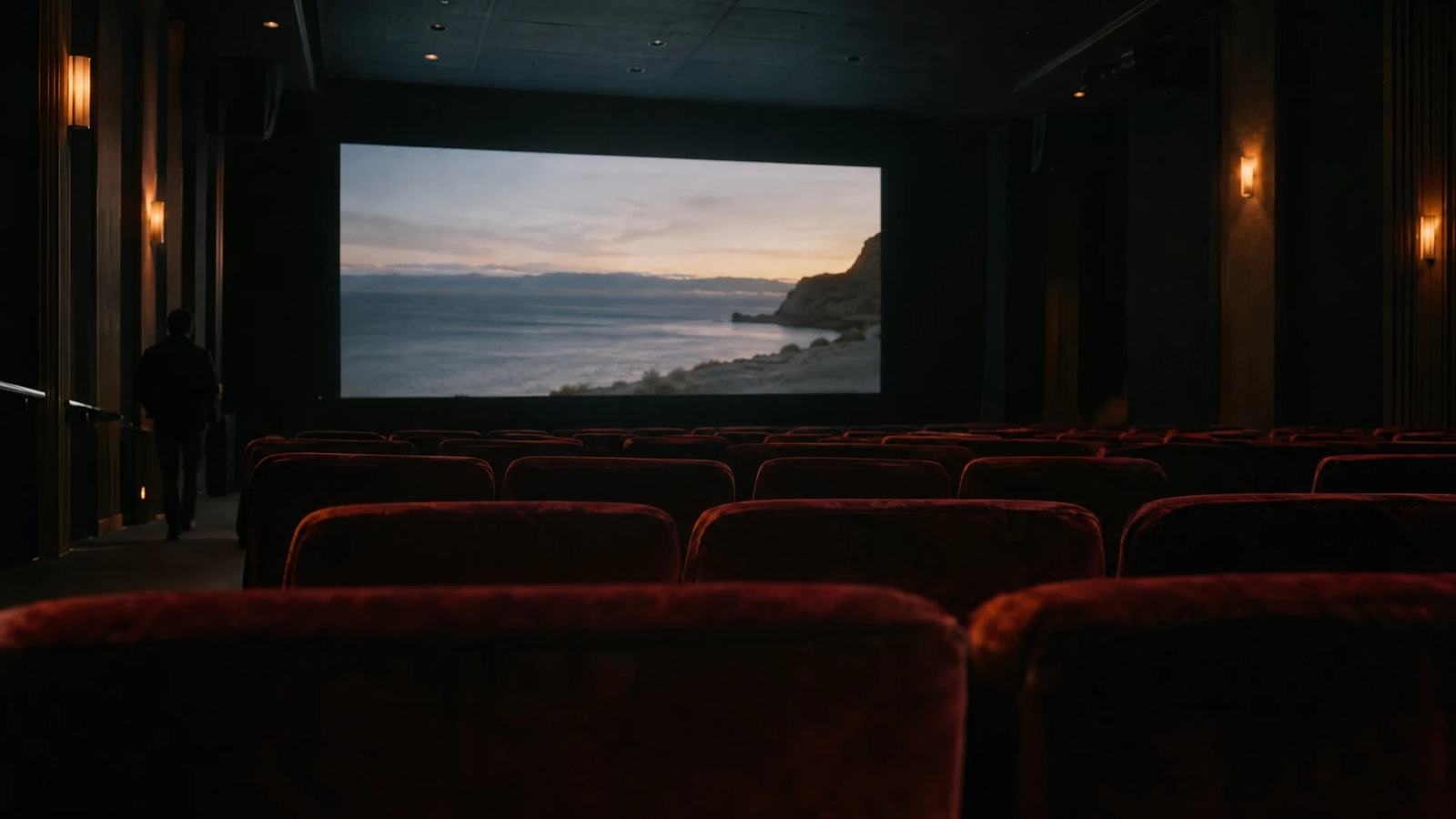
The films getting attention share a dull but important quality: their downside is understandable. They can travel, they can find a second life in licensing, and they do not require every territory to behave the same way. Producers say financiers have become less interested in the imagined maximum and more interested in the reliable floor. A contained thriller, a relationship comedy and a family drama may reach different audiences, but each gives an exhibitor something that a season-long event series does not: a reason to make one decision on one night.
“You can build a release around a clear promise. You cannot build one around a spreadsheet that wants to be a phenomenon.”
Production has learned to look smaller
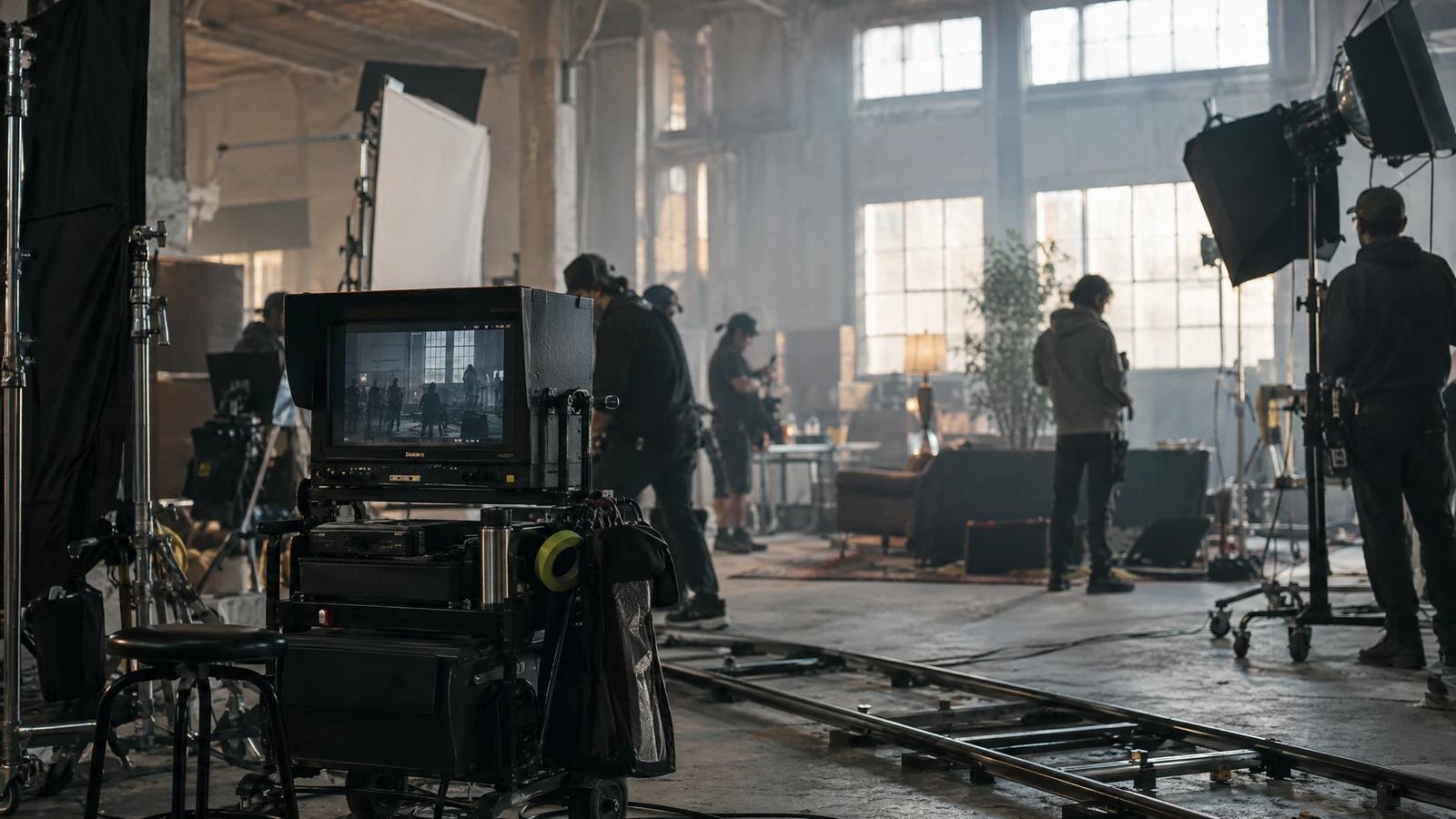
The change is visible on set. Fewer company moves, more controlled locations, compressed shooting weeks and departments asked to solve problems before they become line items. The goal is not austerity for its own sake. It is to reserve scale for what reaches the screen. One line producer described a new rule of thumb: if a choice will not be visible in the trailer, it needs a harder defense.
The forty-million-dollar movie is becoming useful again because its failure no longer has to resemble a catastrophe.
Commissioning is catching up to behavior
The audience did not suddenly become more patient. The industry became more precise about what different films are for. The mid-budget return is not a sentimental correction. It is an admission that a slate made only of tiny experiments and giant bets leaves a large, ordinary appetite unsatisfied. The films now moving forward have a recognisable promise, a manageable cost and enough room to surprise.
The next release cycle will show whether the adjustment has become a practice rather than a talking point. For now, the people making the calls are designing around a more complicated, and more realistic, idea of attention.
Sources
- Reporting from fictional studio development offices
- Interviews with four producers and two distribution executives
- Review of illustrative financing decks