Key points
- The middle layer of the entertainment business is being rebuilt around people who arrived with an audience already attached.
- Pop Culture reporting from Mexico City.
- All people and organisations in this illustrative story are fictional.
- Estimated reading time: 3 minutes.
The audience arrives before the meeting
Traditional talent representation begins with potential and then attempts to find an audience. Creator studios begin with an audience and then decide what kind of work can hold it. That reversal is changing the middle layer of entertainment. A small studio may offer production support, commercial negotiations, editing resources and a sales team before a creator has ever met a conventional agent.
Infrastructure is the real product
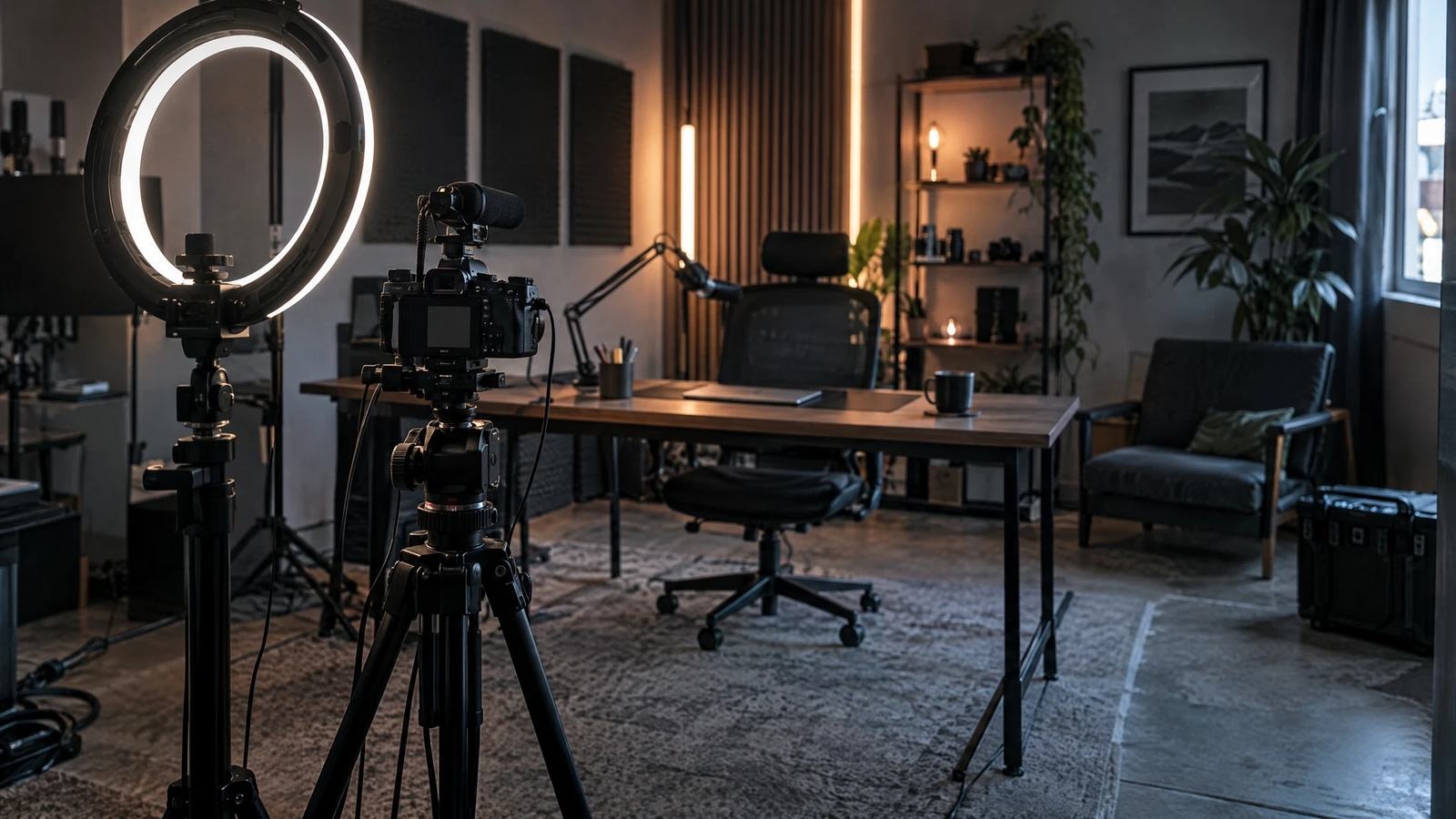
The ring light and camera are the visible part. The more important service is the schedule behind them: someone negotiating usage, someone tracking contracts, someone deciding which brand brief is worth the disruption. Fictional studio North Window describes itself as a “creative utility.” Its creators describe it more simply: a place that makes it possible to make more work without becoming a one-person company.
“A creator does not need another person to say yes. They need someone who can make a complicated yes usable.”
Agencies are adapting, not disappearing
Large agencies still offer access to film, television, live touring and the kind of deal that needs a long memory. But they are meeting a new competitor that understands the daily mechanics of an existing audience. In response, some agencies are building studio arms; others are buying small management shops. The important shift is not the logo on the contract. It is who owns the relationship between the creator and the community.
Creator studios are not replacing agencies because they look alike. They are replacing parts of the agency because they begin with a different source of leverage.
The question is what happens at scale
Creator studios can feel nimble because they are built around a few people and a rapid release cycle. Growth makes the model harder. More clients require more systems, and systems can begin to resemble the institutions the creators originally avoided. The next phase will test whether a studio can stay close to the work while becoming large enough to protect it.
The next phase will make the underlying arrangement more visible. The people who understand that their audience is a relationship, rather than a number on a report, will have the clearest idea of what to do with it.
Sources
- Interviews with four fictional creator-studio founders
- Review of illustrative partnership agreements
- Reporting from a creator-management conference